Dinosaur Carnivore Species Guide
Introduce predators without collapsing the herds that feed your island.
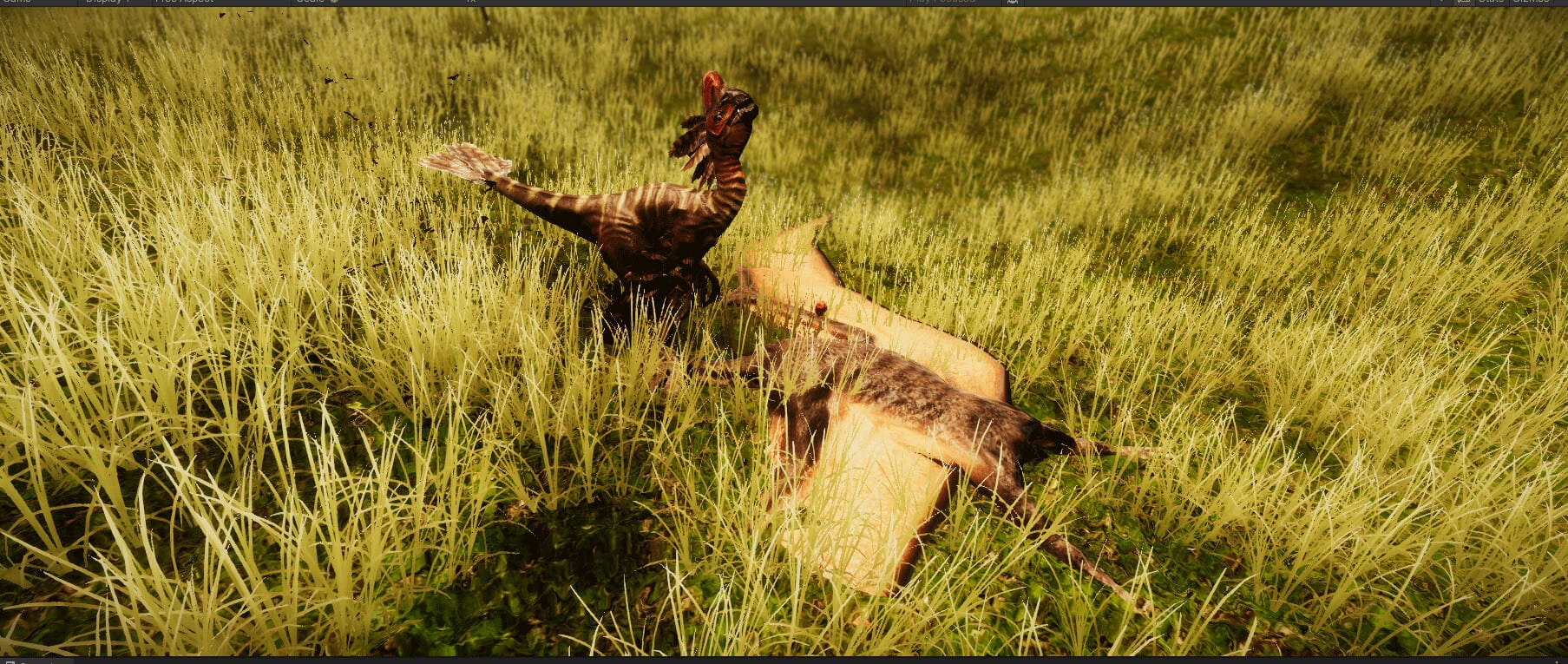
Carnivores turn a peaceful Dinosaur meadow into a living system—or a graveyard—depending on how you introduce them. This guide covers stocking order, hunting lane design, and prey ratios for the predator half of the 40+ species roster (about eighty male/female variants total) in Dinosaur by Dinosaur Master on Steam app 3294300, launching August 13, 2026.
Never open a fresh island with apex hunters. Stabilize herbivores first, confirm water and forage with ecosystem symbiosis, then bring carnivores in on purpose. Classic mode punishes greed; Creative lets you rehearsal dens; FPS Survival makes overstocked predators a direct threat to the player—see FPS Survival.
Carnivore planning tiers
S — Controllable pressure predators. Ideal first hunters. They create tension, prune weak herds, and teach you lane design without instantly deleting your food floor.
A — Pack or pursuit specialists. Excellent once escape routes and surplus prey exist. Possess them via control dinosaurs to verify chase paths before raising counts.
B — Apex showpieces. Save for mature Classic parks or Creative dioramas. They demand honest prey budgets and clear sightlines; vanity stocking is how islands die.
C — High-chaos hunters. Use sparingly on stress-test maps. If the needs tier list marks related care as brutal, keep populations tiny.
Hunting lane design
Open the island editor and draw:
- Kill zones — slightly open ground where pursuits resolve
- Refuge pockets — brush or ridge breaks herbivores can reach
- Water-safe margins — predators should not pin every drink
- Nest buffers — carnivore dens offset from herbivore nesting pads
- Scout ridges — high ground for you (or a co-op partner) to observe
Walk each lane while possessing both a mid herbivore and a mid carnivore. If the herbivore never finds refuge, redraw before increasing predator counts. The island planner checklist helps keep dens and forage from overlapping into a single death bowl.
Prey ratios and male/female mix
Rules of thumb for early Classic islands:
- Surplus herbivores before the first carnivore
- Raise predator counts slower than your curiosity wants
- Watch sex mix on both sides; skewed packs can look fine yet pressure nests unevenly across the wider ~80-variant roster
On coastal seeds, remember aquatic and pterosaur niches compete for shoreline drama. Do not let marine or flying spectacle steal the last inland forage belt your terrestrial prey needs.
Mode-specific advice
Creative. Stress-test absurd apex densities, then screenshot the failure and rebuild—perfect rehearsal for public maps among the fifteen available.
Classic. Treat every new carnivore as a patch to the economy. Log population before/after.
FPS Survival. Assume hungry hunters will investigate you. Learn controls and mode nuances in game modes before starring in your own food web.
Multiplayer roles
In local co-op or Remote Play, appoint a carnivore warden who owns predator caps while a partner keeps herbivore food solvent. English-only UI means shared vocabulary matters when calling targets.
Related links
Return to the Species Hub for category navigation, skim Getting Started if the editor still feels foreign, ignore scam codes, and keep wiki links plus system requirements nearby for launch week. Carnivores are the exam after herbivores teach the curriculum—introduce them like a systems designer, not a highlight reel.
Frequently Asked Questions
Quick answers about Dinosaur on Steam.
What is the biggest carnivore stocking mistake?
Placing apex predators before herbivores have surplus forage, water redundancy, and escape routes.
How do I test a hunting lane quickly?
Possess a prey animal and a predator back-to-back, run the chase, and rebuild refuge pockets until escapes feel fair.
Are carnivores harder in FPS Survival?
Yes. Predators threaten both herds and the player avatar, so keep early counts low and learn controls first.
Should co-op partners both spawn carnivores freely?
No. Assign a single warden for predator caps to avoid accidental double stocking.