Dinosaur Maps Overview
Pick the right island among roughly fifteen maps before you spend hours on terrain and herds.
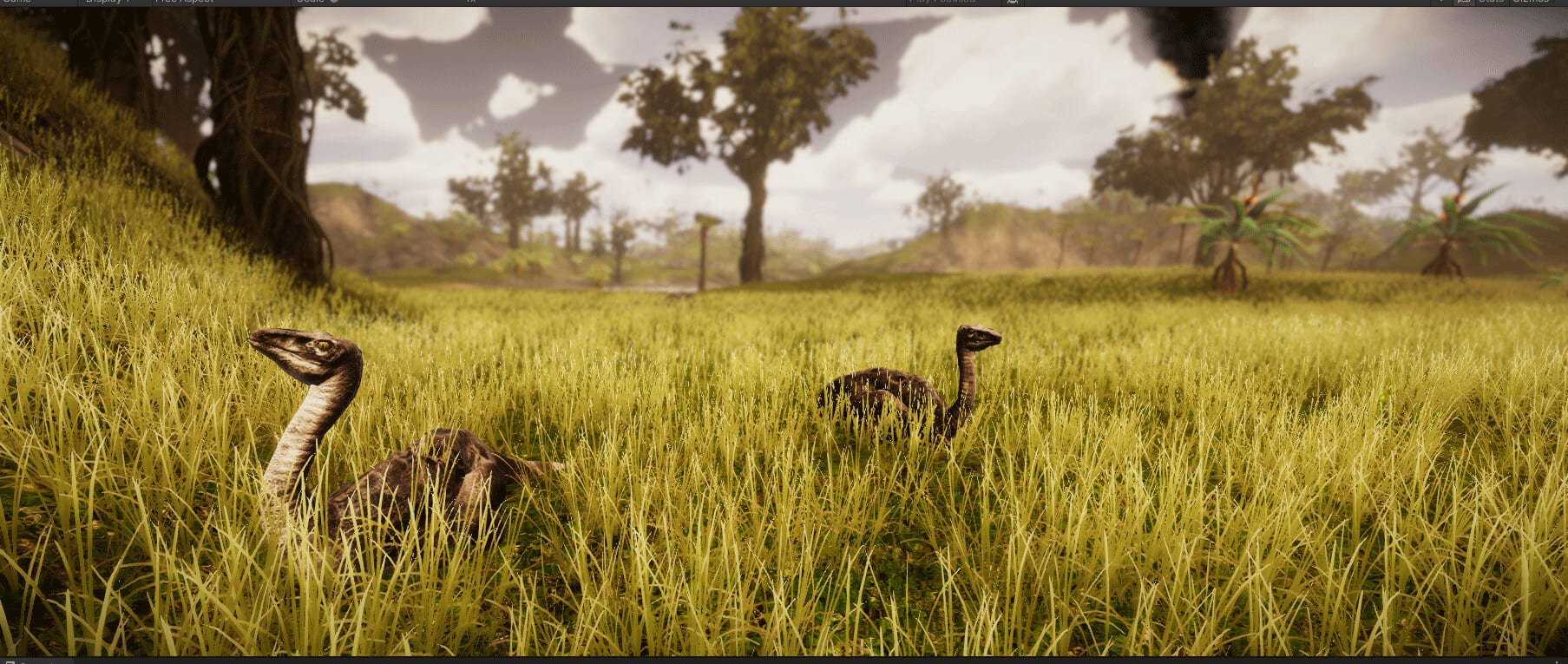
Dinosaur ships with about fifteen maps for raising dinosaurs in the island editor. That number comes from official Steam news from Dinosaur Master for app 3294300, alongside the Classic / Creative / FPS Survival modes and local split-screen co-op. This Maps Overview page helps you choose a layout that matches your first-week goals instead of defaulting to the largest, most decorative island and then fighting starvation, water gaps, or flight-lane chaos.
Treat map choice as part of onboarding. Pair this guide with Getting Started, Island Editor, and the Island Planner. If you are still deciding Classic versus Creative versus FPS Survival, read Game Modes first—mode pressure changes which map traits matter most.
What “15 maps” means in practice
Developer announcements describe a roster of maps prepared for raising dinosaurs: coastal shelves, inland basins, ridge-and-river layouts, and mixed showcases. Exact map names can still shift until the August 13, 2026 Steam unlock, so this wiki focuses on layout archetypes you can identify from thumbnails and first flyovers:
- Compact basins — readable edges, short travel paths, ideal Creative tutorials.
- Coastal shelves — strong water presence for aquatic species, risk of thin forage belts.
- Ridge and canyon maps — dramatic visuals, easy to trap herds in dead ends.
- Wide plains — room for herbivore loops, harder to patrol in FPS Survival.
- Mixed biomes — best late showcase islands once needs literacy is solid.
Store marketing sometimes says “more than 50” species while news cites 40 species with male/female variants near 80. Maps should be planned around the concrete needs loop (food, water, space, aggression), not around filling every slot on day one. See Male & Female Variants and the Species Hub when you are ready to stock a chosen map.
Beginner map rules
- Prefer medium or compact maps for the first three sessions.
- Confirm a continuous forage belt before placing apex carnivores.
- Mark primary water and a drought backup before aquatic dinosaurs.
- Leave empty buffer peninsulas for experiments instead of packing the whole island.
- Avoid the widest plains until you can patrol needs without camera thrash.
If a map looks gorgeous but every herd collapses, the island is teaching you layout debt—not that the species list is “broken.” Fix routes with Island Editor and population logic with Ecosystem & Symbiosis.
Coastal maps: aquatic and pterosaur pressure
Coastal maps reward aquatic dinosaurs and often give pterosaurs long sightlines. They punish players who place herbivores only on thin beach strips. Build inland forage loops first, then open water corridors. When you add flyers, keep roosts away from the only drinking spots herbivores use. Cross-check Aquatic & Pterosaurs before you stack both categories on a small coast.
Inland basins: Classic-friendly
Inland basins are the safest Classic Mode classrooms. Edges are obvious, water is usually a central lake or river fork, and predator dens can sit on a ridge without instantly wiping the starter herd. Start with Herbivores, then introduce mid-tier Carnivores only after herbivore recovery looks stable across multiple cycles.
Ridge maps: editor caution
Ridges and canyons create cinematic screenshots and terrible pathfinding for beginners. Flatten arrival plateaus, widen choke points, and never nest herbivores at the bottom of a one-exit gorge. FPS Survival on ridge maps feels intense because escape routes vanish—practice in Creative first using Control Dinosaurs.
Wide plains: late Creative showcases
Plains maps shine when you want migratory herbivore rings and long hunt lines. They are poor first maps for FPS Survival because threats can approach from every angle and water may be sparse. Use plains after you trust the Needs Tier List and your controller or keyboard binds from Controls.
Map selection by mode
| Mode | Best early map trait | Avoid early |
|---|---|---|
| Creative | Compact basin, clear water | Huge plains with sparse forage |
| Classic | Inland basin with readable borders | Tight canyons and thin coasts |
| FPS Survival | Medium coast or basin with cover | Featureless mega-plains |
| Local co-op | Compact basin (two cameras) | Max-size maps on minimum GPU |
Co-op sessions should favor compact maps—split-screen and Remote Play Together both tax framing. See Local Co-op and Performance Tips.
Day-one map checklist
- Fly the perimeter once before placing animals.
- Note water, cliffs, and dead-end pockets.
- Place a small herbivore starter group only.
- Test one personal-control walk for collision and hunger feedback.
- Expand species only after the starter group stays healthy.
Launch-week expectation
Until August 13, 2026, treat the fifteen-map count as announced content. After unlock, re-check Steam news via the Updates Hub if map names or counts change. This Maps Overview stays archetype-based so it remains useful even if individual map titles are renamed.
Related reading
- How to Play for the full first-session loop
- Island Editor for terrain habits
- Pre-Release Review if you are still deciding to wishlist
- Wiki for the full hub map of the site
Choose a map that teaches systems. Save the postcard islands for week two.
Frequently Asked Questions
Quick answers about Dinosaur on Steam.
How many maps does Dinosaur have?
Official Steam news from the developers describes about fifteen maps prepared for raising dinosaurs. Exact names may finalize at the August 13, 2026 launch.
Which map should beginners pick first?
A compact inland basin with clear water and short travel paths. Avoid the largest plains and tight canyon showpieces until needs and editor habits feel stable.
Do coastal maps work for Classic Mode?
Yes, if you build inland forage before stacking aquatic species and pterosaurs. Thin beach-only herds usually fail under carnivore or flyer pressure.
Should co-op use the biggest map?
No. Compact maps keep both split-screen views readable and reduce GPU load during Remote Play Together.